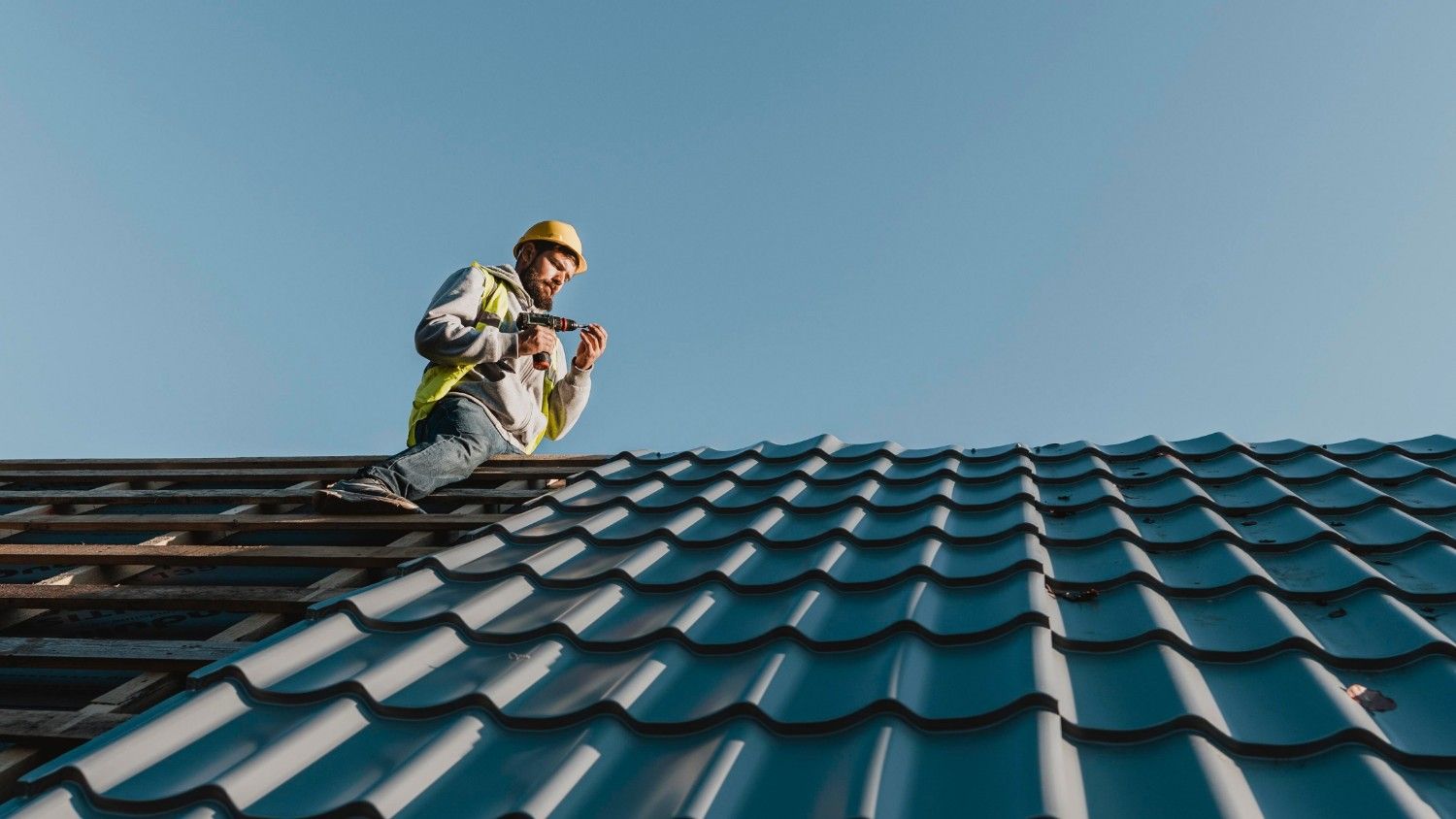
Your roof is more than just shingles and tiles; it’s your home’s first line of defense. Whether you’ve just moved in or lived in the same house for decades, one thing’s for sure: roof replacement isn’t something you can afford to ignore.
Think of your roof like a helmet for your house. Would you ride a bike with a cracked helmet? Probably not. So why live under a roof that’s seen better days?
In this ultimate guide to roof replacement, we’ll walk you through everything from the early warning signs to watch out for, to what kind of roofing materials are best for your home. Let’s make sure your investment in your home is well-protected for years to come.
1. What is Roof Replacement?
Roof replacement means removing your old roofing system down to the deck and installing a new one. Unlike repairs, it’s not about patching, it’s about starting fresh. You’re not just fixing a leak; you’re giving your home a new protective shield.
It typically involves:
- Removing shingles
- Inspecting the decking
- Replacing underlayment
- Installing new materials
2. Signs You Need a Roof Replacement
How do you know it’s time? Here are some warning signs to watch for:
- Shingle damage: Missing, curling, or cracked shingles
- Leaks or water damage: Water stains on ceilings or walls
- Sagging roofline: A clear indication of structural issues
- Moss and algae: These might look harmless, but they trap moisture
- Age of the roof: Most roofs last 20–30 years. Is yours older?
Still unsure? If your roof were a car, would it pass inspection?
3. Why Timely Roof Replacement Matters
Delaying a roof replacement is like ignoring a toothache; it only gets worse. Here’s why acting fast matters:
- Prevents interior damage to insulation, walls, and ceilings
- Boosts home value if you’re planning to sell
- Improves energy efficiency by sealing air leaks
- Peace of mind during storms and seasonal weather shifts
4. The Roof Replacement Process Explained
Let’s demystify what actually happens during a roof replacement:
1. Inspection and estimate
Contractors assess your roof’s condition and provide a quote.
2. Scheduling
You choose a convenient time (weather permitting).
3. Preparation
Old shingles are stripped, and debris is cleared.
4. Deck inspection
The decking is checked for rot or damage.
5. Underlayment installation
A protective layer is added over the deck.
6. New shingles/materials installed
Your chosen material is placed over the underlayment.
7. Final cleanup and inspection
Everything’s cleaned up, and the contractor checks the installation.
5. Types of Roofing Materials
Choosing the right roofing material is like picking the right outfit for your climate. Here are the most common options:
Asphalt Shingles
- Most popular and affordable
- 15–30 years lifespan
- Great for a variety of climates
Metal Roofing
- Long lifespan (40–70 years)
- Fire-resistant
- Reflects heat, reducing cooling costs
Clay or Concrete Tiles
- Very durable (50+ years)
- Great for hot, dry climates
- Heavy requires sturdy framing
Wood Shakes
- Natural and beautiful
- 30–40 years lifespan
- Needs more maintenance
Slate
- Premium and durable (up to 100 years!)
- Heavy and expensive
- Timeless, elegant look
6. Seasonal Timing for Roof Replacement
When’s the best time to replace your roof? It depends on where you live, but generally:
- Spring & Summer: Ideal for most climates. Fewer rain delays.
- Fall: Great temperature for shingle adhesion.
- Winter: Possible in warmer regions but may face delays.
Timing it right can save you money and hassle contractors are less busy in the off-season and might offer discounts.
7. Roof Replacement Cost Breakdown
Let’s talk numbers. The cost of roof replacement depends on several factors:
| Factor | Estimated Cost Range |
| Material type | $3,000 – $25,000+ |
| Roof size (sq ft) | $4 – $15 per sq. ft. |
| Labor | 40%–60% of total cost |
| Tear-off fees | $1,000 – $3,000 |
| Permits & inspections | $100 – $500+ |
Pro Tip: Always get multiple quotes to compare quality and price.
8. Choosing the Right Contractor
Hiring a roofer is like hiring a surgeon you want the best. Look for:
- Licensing and insurance
- Positive reviews and references
- Warranty on materials and labor
- Transparent pricing
Avoid red flags like vague contracts or pushy sales tactics.
9. How Long Does Roof Replacement Take?
Generally, a roof replacement takes 1 to 3 days, depending on:
- Roof size and complexity
- Weather conditions
- Number of layers being removed
Larger homes or specialty materials may take longer.
10. DIY vs. Professional Roof Replacement
DIY might sound tempting, especially with all those YouTube tutorials, but…
- Pros: Save on labor costs, learn new skills
- Cons: Risk of injury, improper installation, no warranties
Unless you’re a pro, it’s usually best to hire one. Your roof isn’t a weekend hobby.
11. How to Prepare for a Roof Replacement
Here’s how to make the process smoother:
- Clear your attic: Cover valuables with tarps
- Trim trees and move outdoor furniture
- Notify neighbors: It’s going to get noisy
- Plan for noise and access: Pets and kids may need a break
12. Maintaining Your New Roof
You’ve spent a lot, let’s protect that investment. Here’s how:
- Clean gutters regularly
- Inspect after storms
- Remove debris and moss
- Schedule annual professional checkups
Think of it like oil changes for your car routine care extends life.
13. Common Roof Replacement Mistakes
Avoid these common blunders:
- Choosing the cheapest contractor
- Skipping permits
- Ignoring attic ventilation
- Not checking the warranty terms
- Delaying when signs of damage appear
A small mistake can lead to big consequences.
14. How to Finance a Roof Replacement
No need to drain your savings. Consider:
- Home equity loans or HELOCs
- Credit cards with promotional APR
- Government grants or rebates
- Roofing company payment plans
Tip: Look for energy-efficient roofing tax credits in your area.
15. Environmental Impact & Roofing Choices
Want to go green? Consider eco-friendly materials:
- Metal roofs: Recyclable and reflect sunlight
- Cool roofs: Coatings that reduce heat absorption
- Solar shingles: Generate electricity while protecting your home
These options can reduce energy bills and your carbon footprint.
Conclusion
Your roof does more than just top off your home it protects your loved ones, your possessions, and your peace of mind. Recognizing the signs you need a roof replacement, choosing the right materials, timing it right, and hiring skilled pros are crucial steps in safeguarding your investment.
Remember, the best roof isn’t just one that looks good, it’s one that performs, protects, and lasts.
FAQs
1. How do I know if I need a full roof replacement or just repairs?
If more than 25–30% of your roof is damaged, or it’s over 20 years old, replacement is usually the better investment.
2. Can I live in my house during a roof replacement?
Yes, but expect noise and vibrations. It’s safe, but pets and sensitive individuals may be uncomfortable.
3. Are roofing permits required?
In most areas, yes. A good contractor will handle this for you always confirm it’s included in the quote.
4. What’s the most durable roofing material?
Slate and metal roofs tend to last the longest up to 100 years with proper care.
5. Does a new roof increase home value?
Absolutely. A roof replacement can boost your resale value and improve curb appeal significantly.